
Recent Episodes
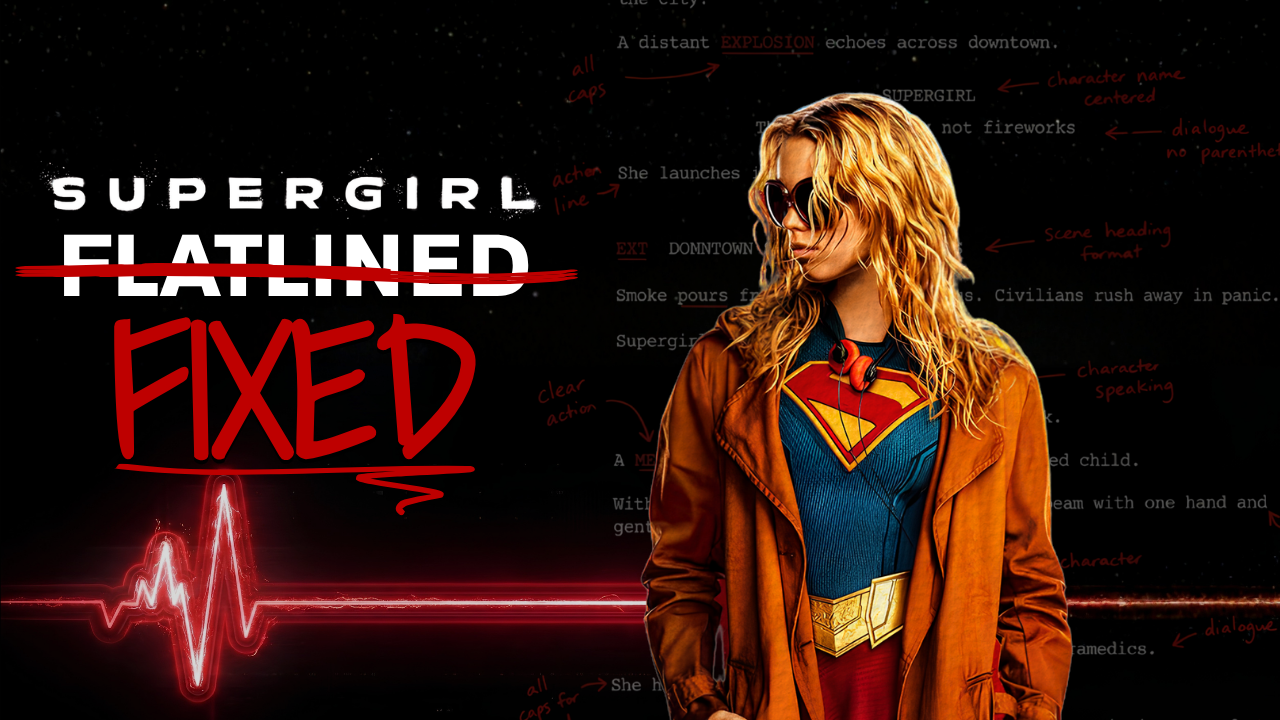
Why Supergirl (2026) Feels So Empty | Kinolime Fix It 6
In this episode of the Kinolime Podcast, Meara Owen-Griffiths breaks down why Supergirl’s central relationship fails to resonate, explores the importance of complementary character arcs, and rewrites the story to give Kara and Ruthye a stronger emotional connection and more satisfying transformation.
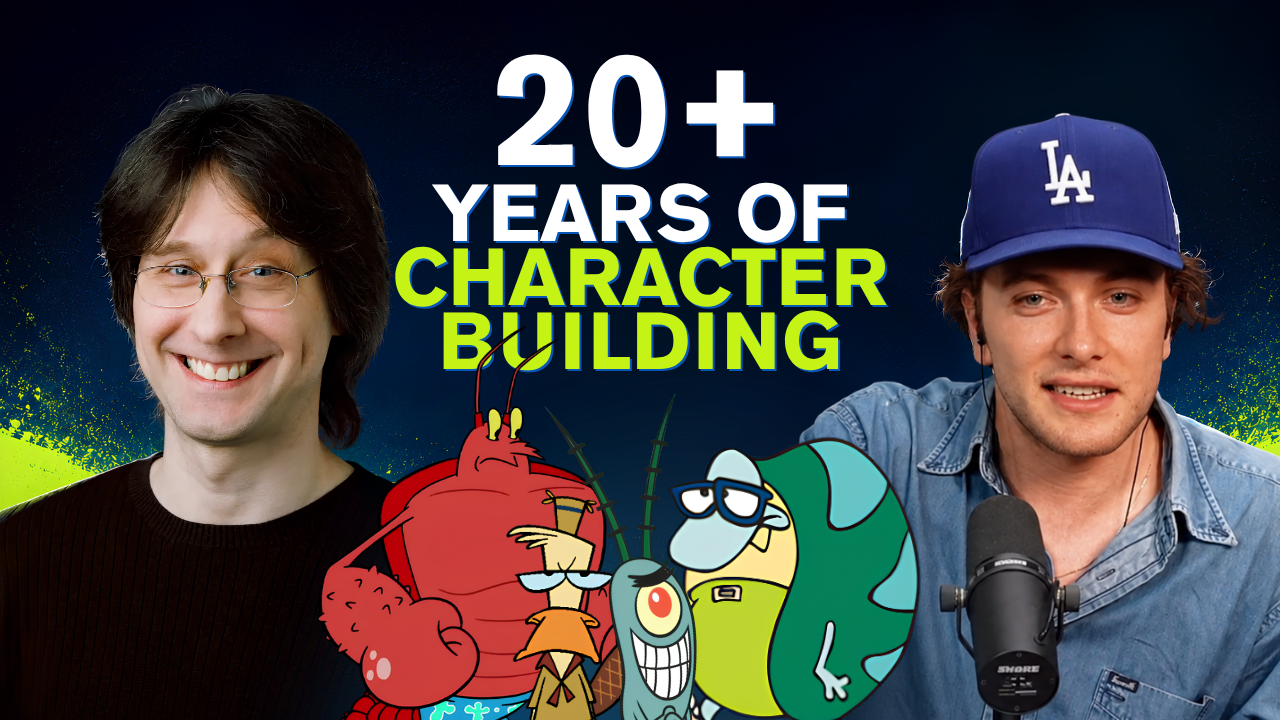
What SpongeBob Can Teach You About Writing Characters | Kinolime Podcast Ep 54
In this episode of the Kinolime Script-to-Screen Podcast, Danny Murray sits down with Mr. Lawrence to break down the writing behind one of the most iconic animated shows of all time. From writing visually and building comedy around character dynamics to creating new story structures, Mr. Lawrence shares what he's learned from decades inside the SpongeBob writers' room.
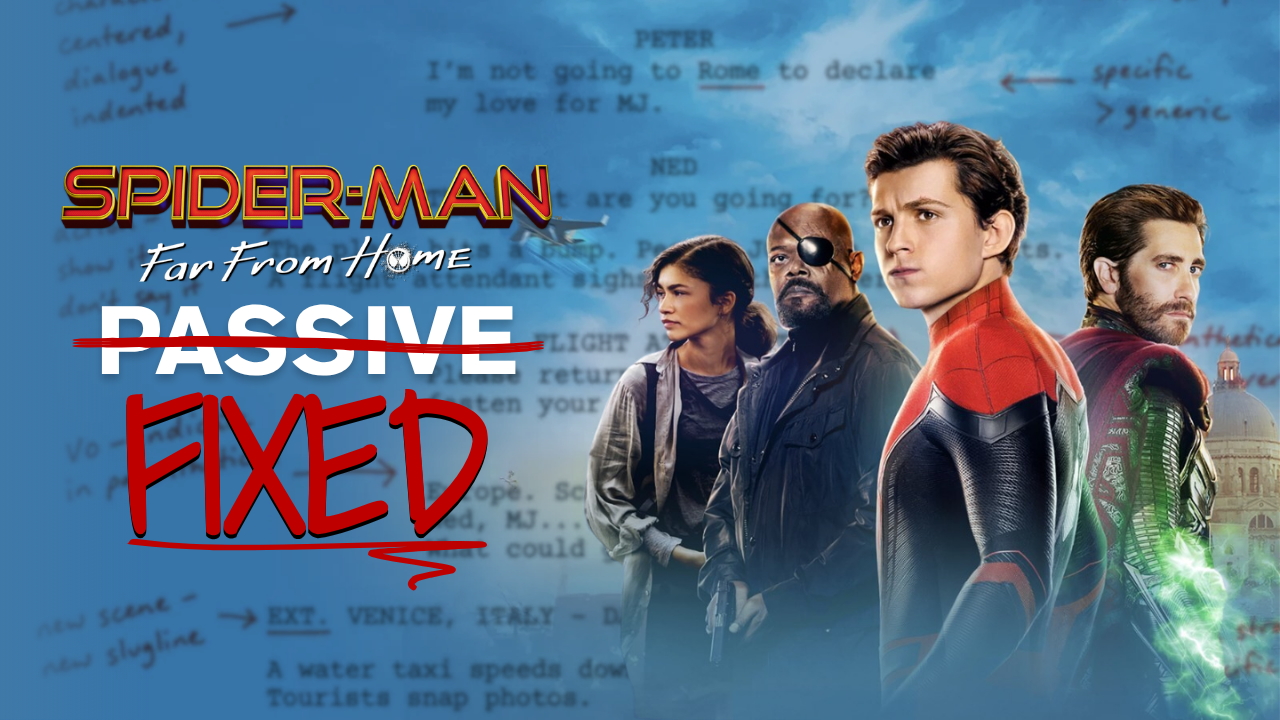
Why Spider-Man: Far From Home Doesn’t Work (and How We’d Fix It) | Kinolime Fix It 5
Spider-Man: Far From Home is one of the most debated films in the Marvel Cinematic Universe, but what if one major character change could make Peter Parker's story even stronger?

Kinolime South Asia Shorts Competition 2026: Winner Announcement
The 2026 South Asia Shorts Competition was our first international competition and it drew 999 script submissions from writers around the world. Three finalists made it to the final round: Keshav Shree (Rent-A-Dad), Brea Sondhi (Talking to God), and Paroma Bose (Domestic Bliss).
.png&w=1920&q=75)
The Ending Backrooms Should Have Had | Fix It 3
Kinolime’s creative executive, Danny Murray, breaks down Backrooms’ ending explained, goes through exactly where the story begins to unravel and how a few key structural changes could have transformed the ending into something truly unforgettable.
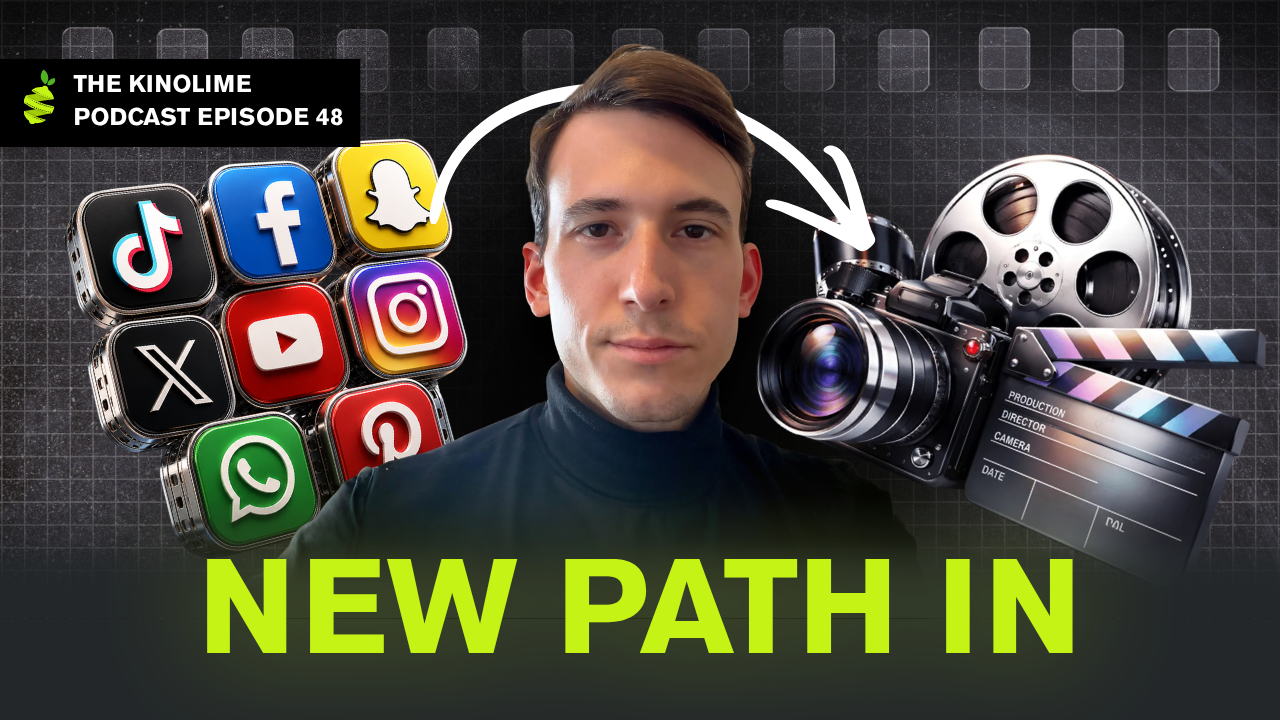
He Built a Career In Film Without Connections… Here’s How! | Kinolime Podcast Ep 48
Josh Schramm and Danny Murray sit down with Kinolime’s Social Media Director, Kole Landon Lee, to break down how social media is changing the path into the film industry. Kole, one of the biggest screenwriting influencers on Instagram, has built an online audience to connect with aspiring creators and cinema buffs, and shares how content creation can lead to real opportunities in screenwriting, filmmaking, and entertainment.
.png&w=1920&q=75)
Why Doesn't Odysseus Make Us Feel More? | Kinolime Fix It 4
In this episode of Fix It, Kinolime’s Meara breaks down why Matt Damon's Odysseus doesn't leave the same emotional impact as the legendary hero from Homer's story. He argues that one key writing decision creates a ripple effect throughout the screenplay, transforming Odysseus from an active protagonist who shapes his own destiny into a reactive protagonist swept along by events. As the protagonist changes, so do the antagonists, the conflicts, the tension, and ultimately the emotional payoff.
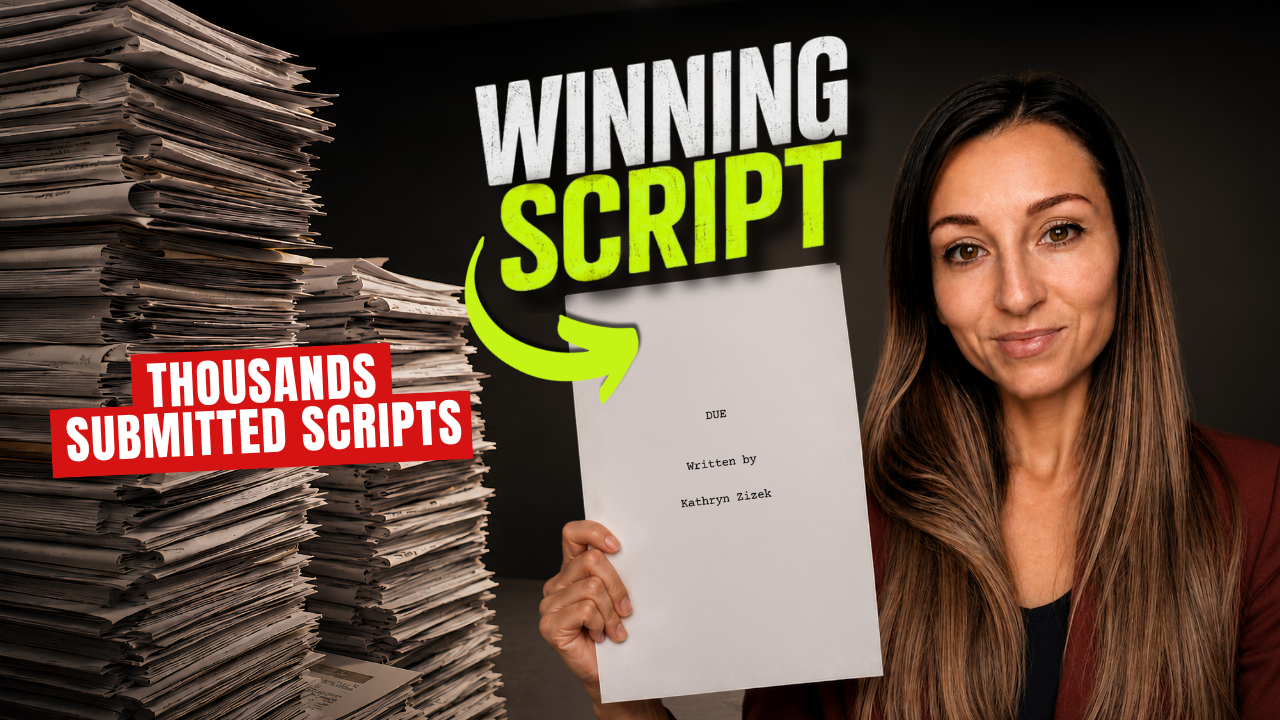
The Writing Process That Won a Screenplay Competition | Kinolime Podcast Ep 53
Kathryn Zizek had never written a screenplay before. Then her debut script, DUE, won Kinolime's 2026 Script-to-Screen Competition. Now it's being made into a film!
In this episode, John Schramm sits down with Kathryn to unpack exactly how she wrote an award-winning screenplay on her very first attempt. From finding the initial idea to building memorable characters and meaningful arcs, Kathryn walks through the writing process that helped her script rise above thousands of submissions.
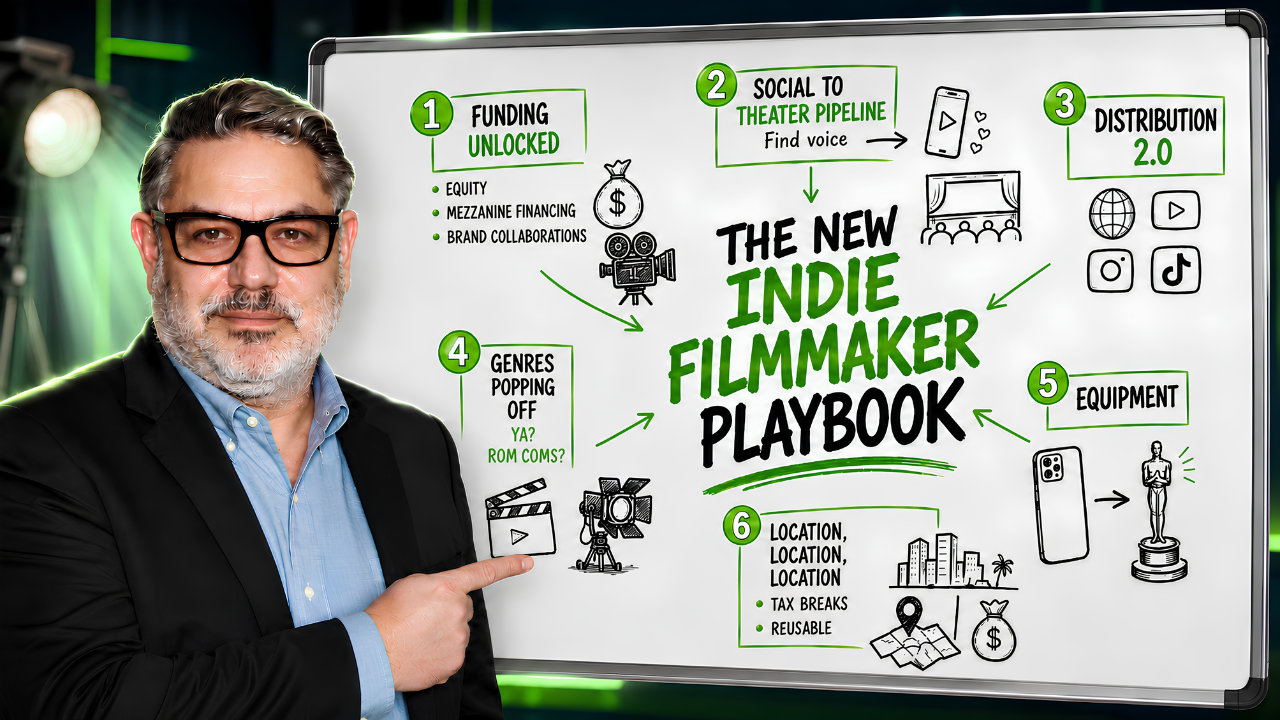
The Best Way to Fund An Indie Film Right Now | Kinolime Podcast Ep 52
Hollywood isn't the only path anymore. How can indie filmmakers succeed in this new market?
Fresh off the Cannes Film Festival, independent producer Mike Gabrawy joins the Kinolime Podcast to explain why the independent film market is thriving, why there's growing demand for original indie films, and what filmmakers need to do today to actually get their movies made.
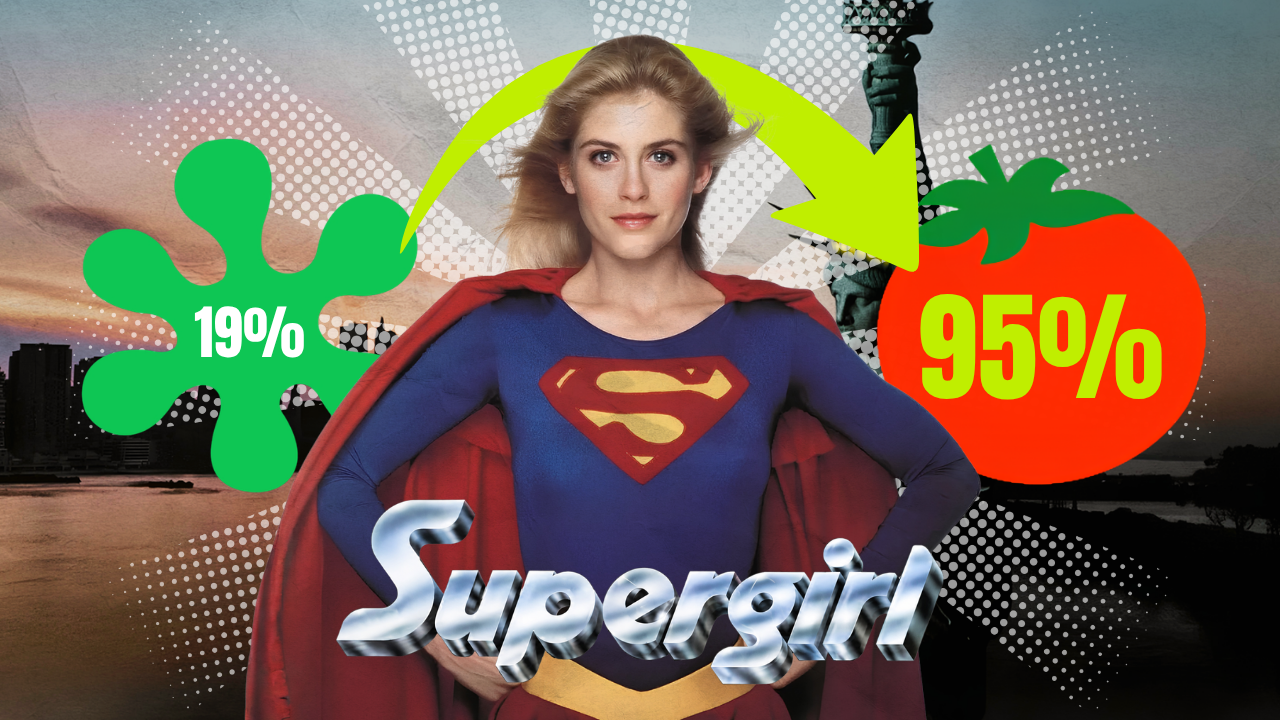
Turning Supergirl (1984) From Rotten To Certified Fresh | Kinolime Fix It Ep 2
Supergirl (1984) is one of DC Comics' biggest flops, in this video we ask the question: can it be fixed?
With James Gunn's new DC Universe kicking off and Supergirl now on the big screen again, starring Milly Alcock as Kara Zor-El, we thought it was the perfect time to revisit the original Supergirl (1984) and see what went so wrong.
In this episode of Kinolime Fix-It, creative executive and screenplay reader Meara Owen-Griffiths breaks down why the original film starring Helen Slater never reached its full potential. We're not looking at budget, or special effects, we're looking at the screenplay itself.
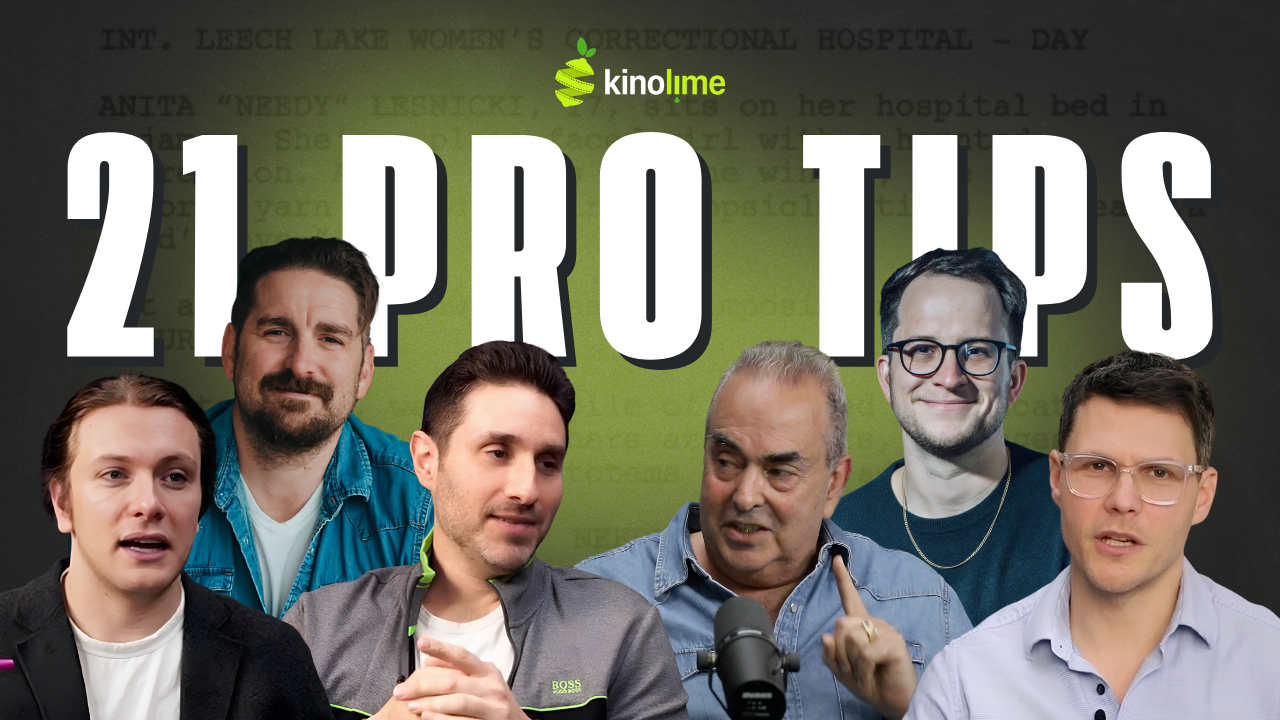
21 Screenwriting Tips from Working Pros (James Gunn, Iceberg Theory & More) | Kinolime Compilation
We’ve curated the ultimate masterclass for screenwriters, from the Iceberg Theory to James Gunn’s unfinished screenplay secrets. This video packs 21 essential tips from industry pros, indie filmmakers, and hit-making writers to help you move from a finished draft to a career in active development.
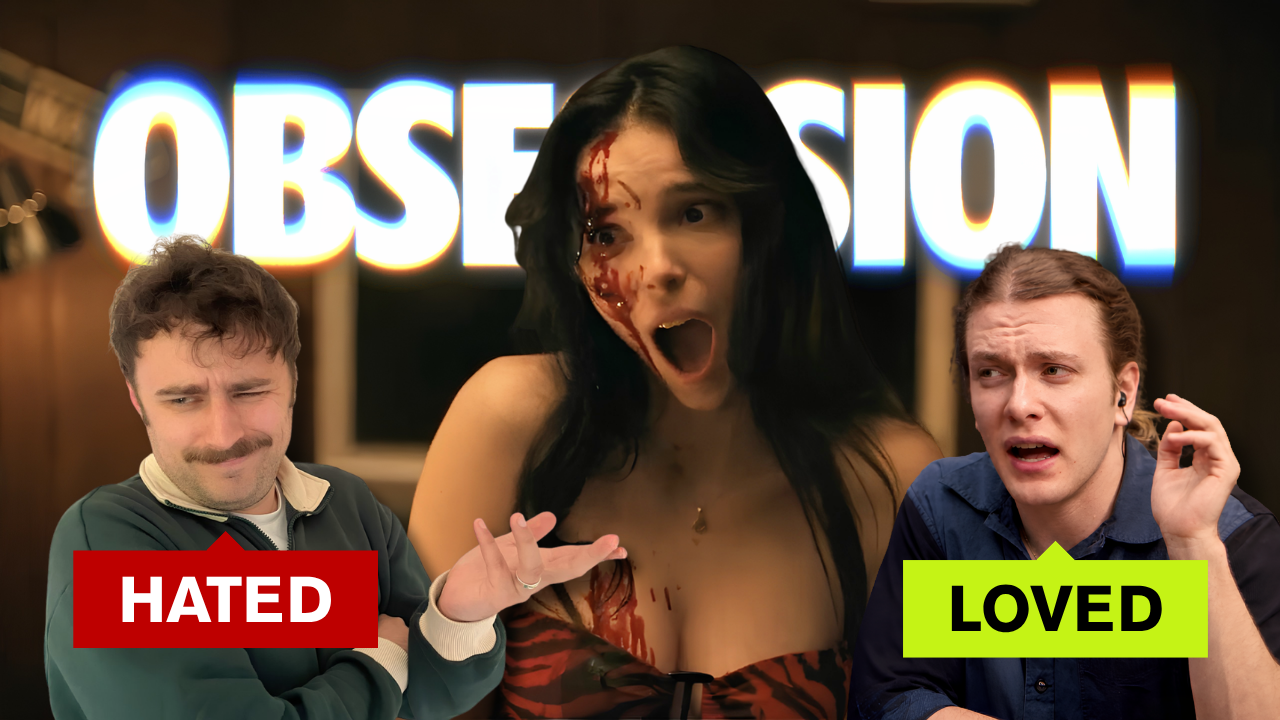
Obsession: Masterpiece or Mid? | Kinolime Podcast Ep 50
Is Obsession a brilliant horror movie... or does it undermine its own message??
In this episode of the Kinolime Podcast, hosts Danny Murray and Meara Owen-Giffiths debate one of the year's most talked-about films: Obsession.
While Danny enjoyed the movie far more than Meara did, both agree that the film raises fascinating questions about storytelling, theme, and character development. Together, they break down the film's central thesis, whether director Curry Barker successfully delivers on the message he's trying to convey, and how character construction can strengthen or completely undermine a story's themes.
Whether you're a filmmaker, screenwriter, film student, or simply love movie analysis, this discussion dives into the storytelling choices that make audiences connect with a film…or leave feeling unsatisfied.
.jpeg&w=1920&q=75)
Table Read: Prisoners of Air
1850. The Arctic. Two men who despise each other. One missing expedition. And a discovery that will destroy everything they thought they knew.
Prisoners of Air is a historical horror set against one of the most haunting real events in exploration history, the lost Franklin expedition. At its center is an unlikely partnership: Robert Goodsir, a pompous Navy doctor searching for his missing brother, and John Rae, a disgraced explorer the British establishment hates because he dared to believe Inuit testimony about what really happened to Franklin's men.
What unfolds is a story about class, loyalty, survival, and the terrible cost of the truth.
"I just felt like I was watching a scene from Game of Thrones."
"Great writing, you don't have to work as hard — the script carries you."
"Jack Nicholson said he needed five great scenes in a movie. This screenplay has five great scenes."
The language is rich and the world is unforgiving — but if you push through it, this is one of the most rewarding scripts you'll read this year.
Kinolime is an indie production studio where the community decides what gets made. You read the scripts, you vote, and the winner gets produced into a real film with up to a $15M production budget, a real director and a real release.
THE WAIF (2024) is shooting this year with BAFTA-nominated director Stephen Fingleton. MOB MENTALITY (2025) just attached director William Groebe. The winner of this vote is next.
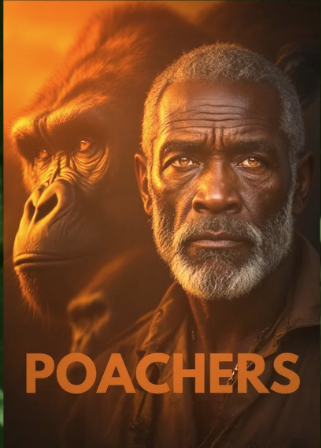
Table Read: POACHERS
What would you do to protect your family when the system that's supposed to protect you is the one hunting you down?
Poachers follows Kayiizi, a tracker from northern Uganda, whose father is killed by the very rangers sworn to protect the land they both loved. What starts as grief becomes vengeance. Vengeance pulls him into a billion-dollar wildlife trafficking empire. And survival means working for the man destroying everything he stands for, unless he can find another way out.
It's a story about moral compromise, loyalty, and what it costs to do the right thing when the wrong thing is the only option keeping your family alive.
This table read brings two of those pivotal scenes to life, and the actors' reaction afterward says everything about why this script made the final three.
Kinolime is an indie production studio where the community decides what gets made. You read the scripts, you vote, and the winner gets produced into a real film with up to a $15M production budget, a real director and a real release.
THE WAIF (2024) is shooting this year with BAFTA-nominated director Stephen Fingleton. MOB MENTALITY (2025) just attached director William Groebe. The winner of this vote is next.

Table Read: DUE
What if the deal that saved your life came back to collect — through your child?
Due begins with a seventeen-year-old on the verge of death. In her darkest moment, she whispers one word: deal. She survives. Nine years later, the rent is due.
Written by Kathryn Zizek — a new mother who drew from the disorientation of raising a newborn to fuel every scene — Due uses the terror of early motherhood as the canvas for something far darker. The black eyes of a looming anesthesiologist. A best friend who isn't quite right. The creeping feeling that nobody is listening, nobody believes you, and something is very, very wrong with your child.
It's a horror story grounded in real fear. And it has a twist you won't see coming.
"Those are things that could happen in your head — am I going crazy, or is this real?"
"That vulnerability as a parent is so apparent here. Your whole job is just to keep them alive."
"Write what you know. She used her real-life experiences to fuel every nuance — and you can feel it."
Kinolime is an indie production studio where the community decides what gets made. You read the scripts, you vote, and the winner gets produced into a real film with up to a $15M production budget, a real director and a real release.
THE WAIF (2024) is shooting this year with BAFTA-nominated director Stephen Fingleton. MOB MENTALITY (2025) just attached director William Groebe. The winner of this vote is next.

The Iceberg Theory of Screenwriting and How Great Screenwriters Use Subtext | Kinolime Podcast Ep 44
Hemingway's Iceberg Theory is one of the most talked-about screenwriting concepts out there, but what does it actually look like on the page? Danny and John break down the theory of omission and what it means for your screenplay: how to write subtext into dialogue, why your character's backstory shapes every scene even when it's never stated, and how restraint creates more tension than anything you could put on the nose.